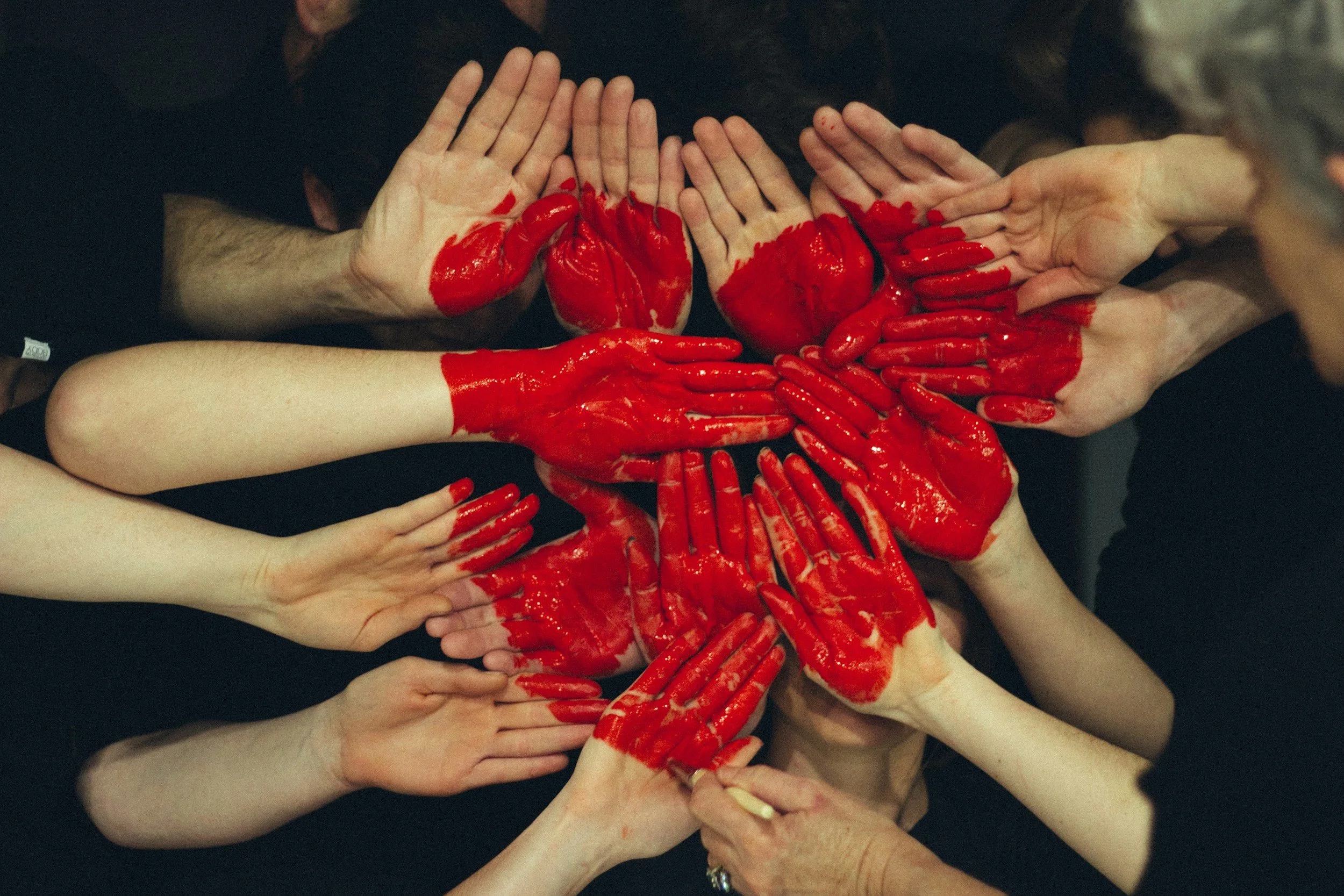
Every child deserves to feel safe, understood, connected and hopeful about their future.
S.T.A.R.S. Children’s Home was created for young children who have experienced maltreatment, complex trauma, disrupted attachments and other significant early-life adversity.
Our purpose is not simply to manage a child’s behaviour. We seek to understand what has happened to the child, what the child needs, and what must happen next to support healing, healthy development and lasting permanency.
S.T.A.R.S. provides a specialized, trauma-integrated environment where children can stabilize, be comprehensively assessed, receive therapeutic support and remain connected to the people who matter most in their lives.
About S.T.A.R.S.
What trauma-integrated means at S.T.A.R.S.
It means looking at the whole child, including:
Neurodevelopment: How chronic stress, maltreatment, neglect, disrupted attachment, prenatal substance exposure, or early adversity may have affected brain development.
Nervous-system regulation: Whether the child is functioning in a state of safety or frequently moving into fight, flight, freeze, shutdown, or hyperarousal.
Attachment and relationships: How early experiences have affected trust, connection, separation, caregiving relationships, and the child's ability to receive comfort.
Development: Understanding that trauma can affect language, cognition, sensory processing, emotional development, play, eating, sleep, toileting, and social development.
Behaviour: Treating behaviour as communication and clinical information, rather than simply something that needs to be controlled.
Physical health: Considering medical history, medications, nutrition, sleep, neonatal history, pain, and other health factors alongside psychological and developmental needs.
Family and caregiving environment: Understanding what happened within the child's relationships and helping parents, kinship caregivers, foster families, and others understand and respond to the child's needs.
Permanency: Using what is learned about the child to help support safe reunification, kinship care, foster care, or another permanent placement—not creating long-term institutional dependence.
Transition and outreach: Recognizing that treatment does not end when the child leaves S.T.A.R.S.; the child's caregivers need support to carry the therapeutic approach into everyday life.
“At S.T.A.R.S., trauma is not treated as one issue among many. The impact of trauma is integrated into our understanding of the child’s health, development, behaviour, relationships, assessments, treatment, caregiving environment, and permanency planning. We do not simply ask how to change a child’s behaviour; we seek to understand what the behaviour is communicating about the child’s developmental, relational, neurological, and emotional needs.”
Reflective Trauma Integration
S.T.A.R.S. uses trauma-informed, relationship-based approaches that combine knowledge about brain development, attachment, and reflective practice. Their work is particularly focused on supporting babies, young children, families, and the professionals who care for them.
Reflective Trauma Integration focuses on understanding what has happened to a child, rather than asking "What's wrong with them?"
Professionals take time to reflect on:
What the child may be communicating through their behaviour.
How trauma may be affecting the child's nervous system.
How their own feelings and responses influence the relationship with the child.
Instead of seeing behaviour as "bad," they ask:
"What is this child needing right now?"
Reflection helps adults respond with curiosity, compassion, and understanding rather than punishment.

A home and network of professionals who understand the child’s complex needs and can confidently act to meet them – can change the course of a child’s life.
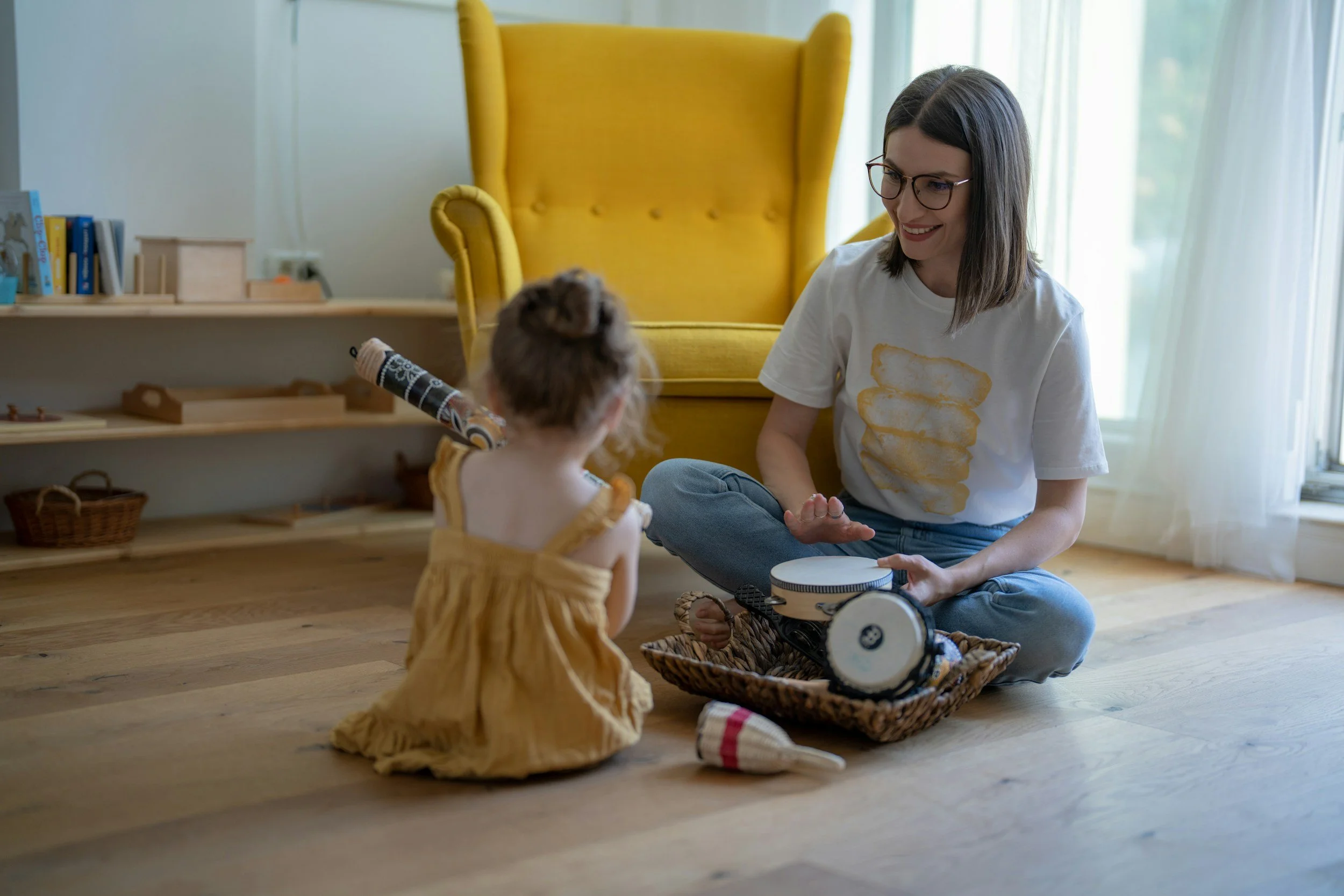
With our experience, commitment, and passion to help children, we believe S.T.A.R.S. Children’s Home is an important and needed resource for children, families, and communities.